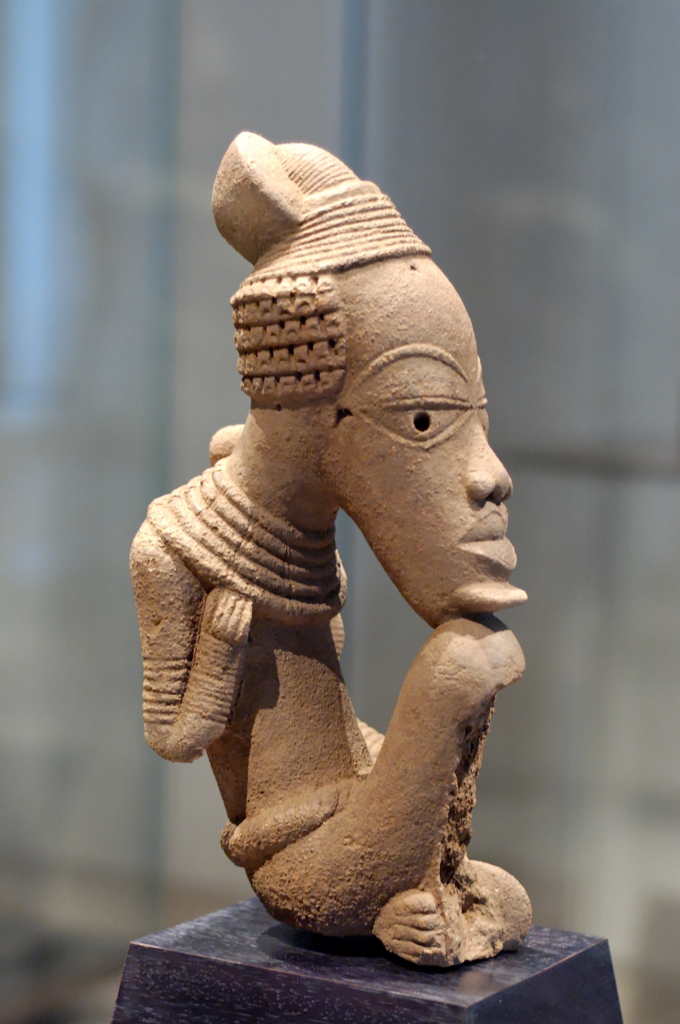
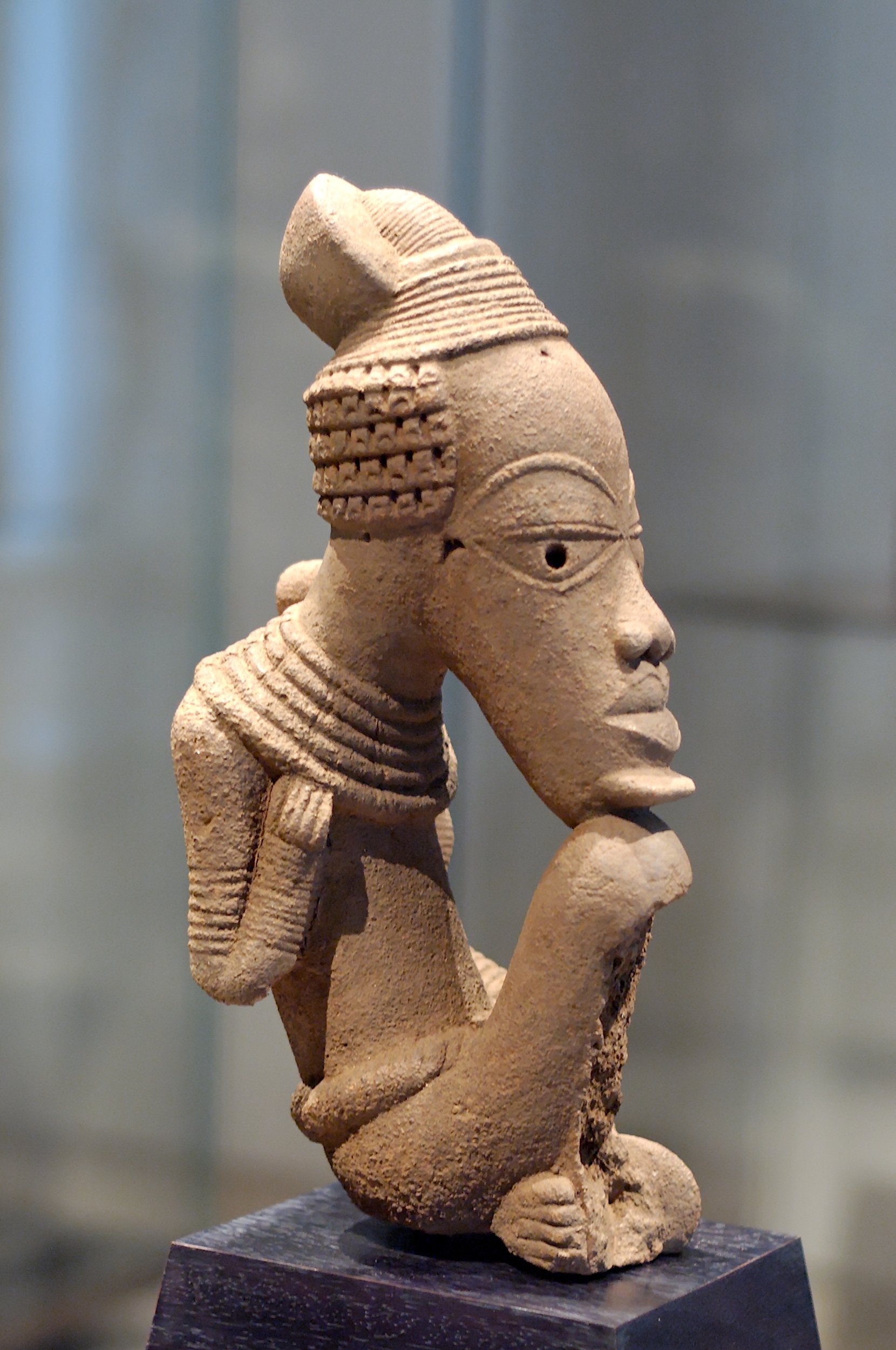
In Africa, artists often worked with wood, fiber, shells, and metal to make masks and sculptures. Wood is light, easy to carve, and can be decorated with paint or other added objects. Because of this, African artworks were often meant to be worn, moved, and used in ceremonies. Their purpose was not just to look realistic or permanent, but to help connect people to ancestors, spirits, and community events. This focus on performance and spiritual meaning is very different from Western ideas about art being permanent and kept in a museum.
In Japan, artists developed strong traditions and got good in ceramics and lacquerware. Clay allowed them to make everyday objects like tea bowls or pots, which show natural textures, uneven surfaces, and a very simple shape. These qualities reflect Japanese ideas that beauty can be found in imperfection and nature, not just in polished or perfectly symmetric objects. Lacquer is made from tree sap and had to be applied slowly in many layers. Because it is shiny and durable it showed a lot of skill and patience. These materials support values like calmness, simplicity, and careful craftsmanship, which are central to Japanese culture as you can see in their buildings.
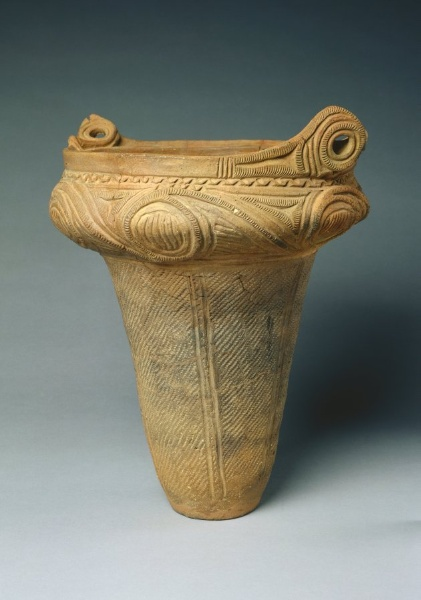
These examples show that non-Western materials create different kinds of art and culture than traditional Western art. African wood masks and focus on movement and spiritual power, while Japanese ceramics highlight nature and imperfect beauty. These effects would be hard to achieve using marble or bronze because they are heavy, expensive, and very hard to change or carve. By looking at different materials, we can see how different cultures shape their art based on their own beliefs and daily life.