Categories
Uncategorized

Japan vs. Africa’s Artistic Materials

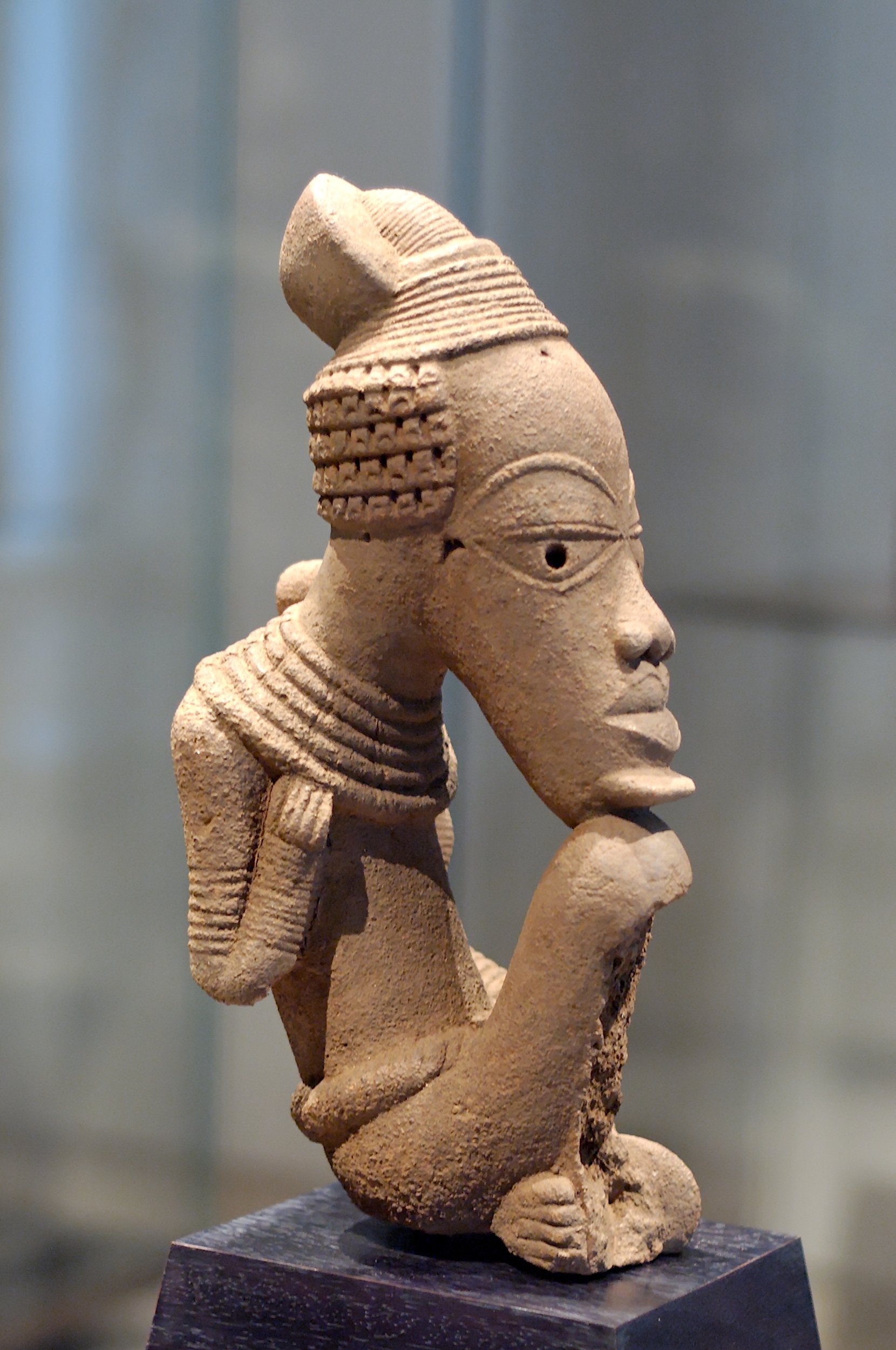
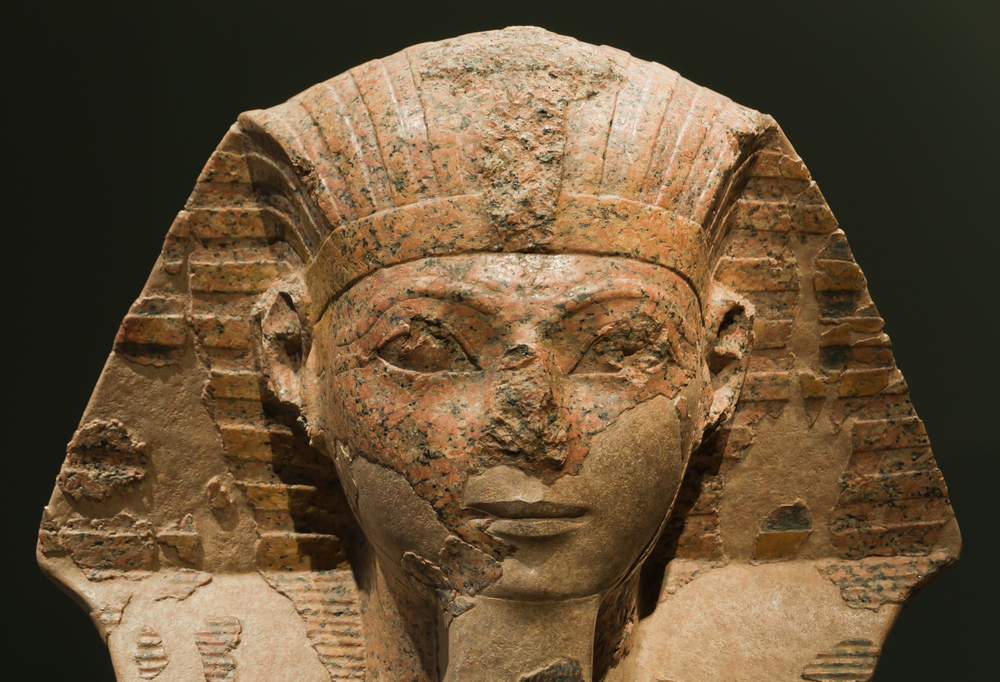
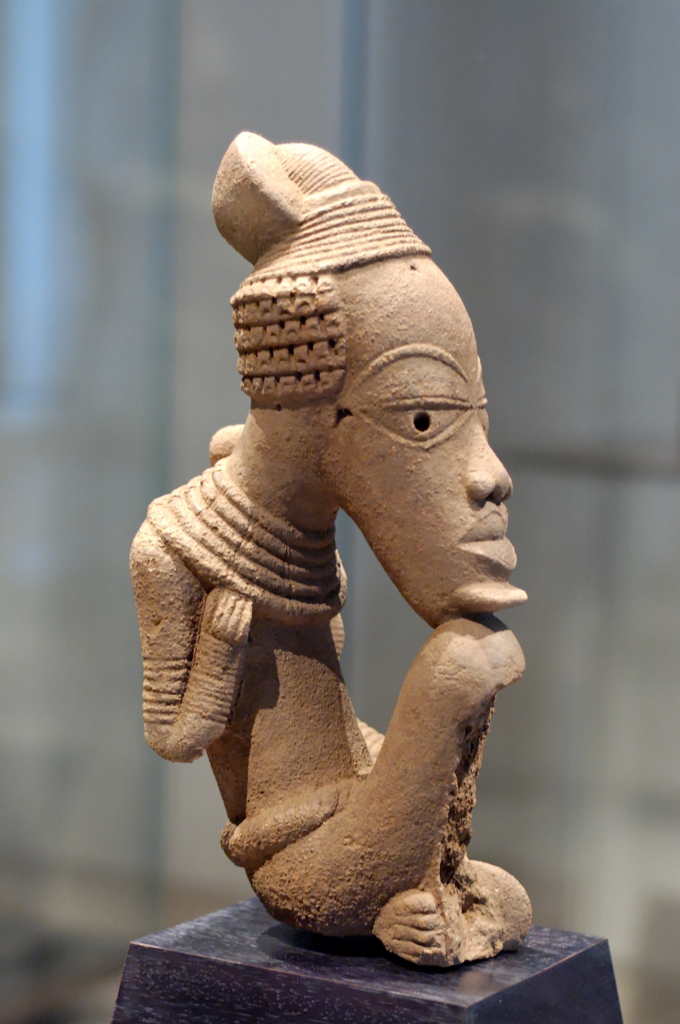
In Africa, artists often worked with wood, fiber, shells, and metal to make masks and sculptures. Wood is light, easy to carve, and can be decorated with paint or other added objects. Because of this, African artworks were often meant to be worn, moved, and used in ceremonies. Their purpose was not just to look realistic or permanent, but to help connect people to ancestors, spirits, and community events. This focus on performance and spiritual meaning is very different from Western ideas about art being permanent and kept in a museum.
10320.jpg (1660×2500)

In Japan, artists developed strong traditions and got good in ceramics and lacquerware. Clay allowed them to make everyday objects like tea bowls or pots, which show natural textures, uneven surfaces, and a very simple shape. These qualities reflect Japanese ideas that beauty can be found in imperfection and nature, not just in polished or perfectly symmetric objects. Lacquer is made from tree sap and had to be applied slowly in many layers. Because it is shiny and durable it showed a lot of skill and patience. These materials support values like calmness, simplicity, and careful craftsmanship, which are central to Japanese culture as you can see in their buildings.
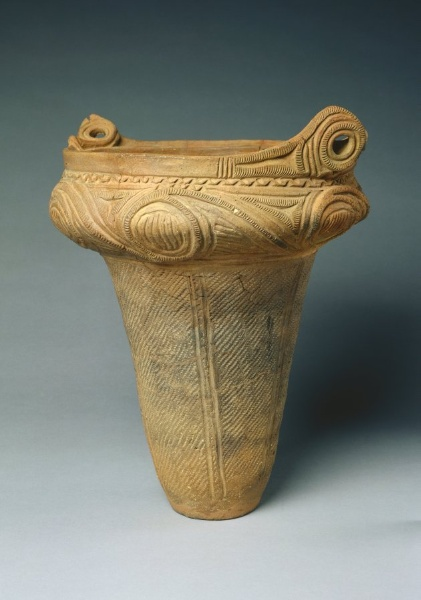
Urn | Cleveland Museum of Art

These examples show that non-Western materials create different kinds of art and culture than traditional Western art. African wood masks and focus on movement and spiritual power, while Japanese ceramics highlight nature and imperfect beauty. These effects would be hard to achieve using marble or bronze because they are heavy, expensive, and very hard to change or carve. By looking at different materials, we can see how different cultures shape their art based on their own beliefs and daily life.
Categories
Uncategorized

Sacred Spaces in Different Religions

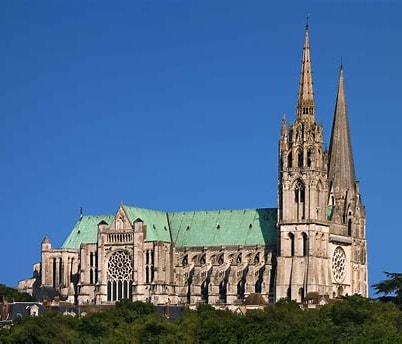
Gothic Europe and the Islamic world both created special buildings for worship that show what they believe in. In Gothic Europe Chartres Cathedral is a major example of this style. The readings and class assignments explain that Gothic churches were built to be very tall and full of light because height and light represented the divine as said in class. The pointed arches, ribbed vaults, and flying buttresses make the walls thinner so huge stained-glass windows can fill the church with colorful light. These windows and the sculptures on the outside tell stories from the Bible to help teach people about God. The whole building is designed to make visitors feel closer to heaven when they look up and see all the light coming through.

Gothic art | Medieval Architecture, Sculpture & Painting | Britannica

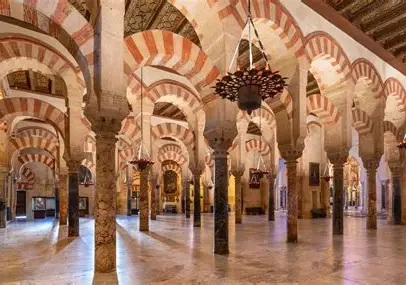
In the Islamic world the Great Mosque of Cordoba has different features that reflect Islamic beliefs. One main rule in Islamic worship spaces is that there are no images of human figures or God because only God can create life. So instead of statues or people, the building uses geometric patterns, Arabic calligraphy, and plant designs as decoration. The repeating red and white arches inside the mosque create a feeling that the space goes on forever symbolizing Allah’s infinite power. This all shows the idea that God’s message is the most beautiful thing.

Great Mosque of Cordoba – Search

Both buildings show how architecture can express religion. Gothic cathedrals use height and images to inspire and teach Christian stories whilst Islamic mosques use repeating patterns and holy words to show the unity and greatness of Allah. Even though they are very different, each building helps worshippers feel connected to their faith.

Categories
Uncategorized

Greek Art and its Impacts Today

When navigating our modern cities today, it’s surprising how much ancient Greek art and architecture still shape our world. The Greeks believed in balance, symmetry, and beauty values that continue to inspire how we design and build.  Government buildings like the U.S. Capitol and the Supreme Court use Greek columns and pediments, which represent strength and democracy. Even universities and museums across the country borrow this same style to show knowledge, order, and power just like the ancient Greeks did. 

GettyImages-507977141-56d8adde5f9b5854a9c4e49b.jpg (2122×1415)

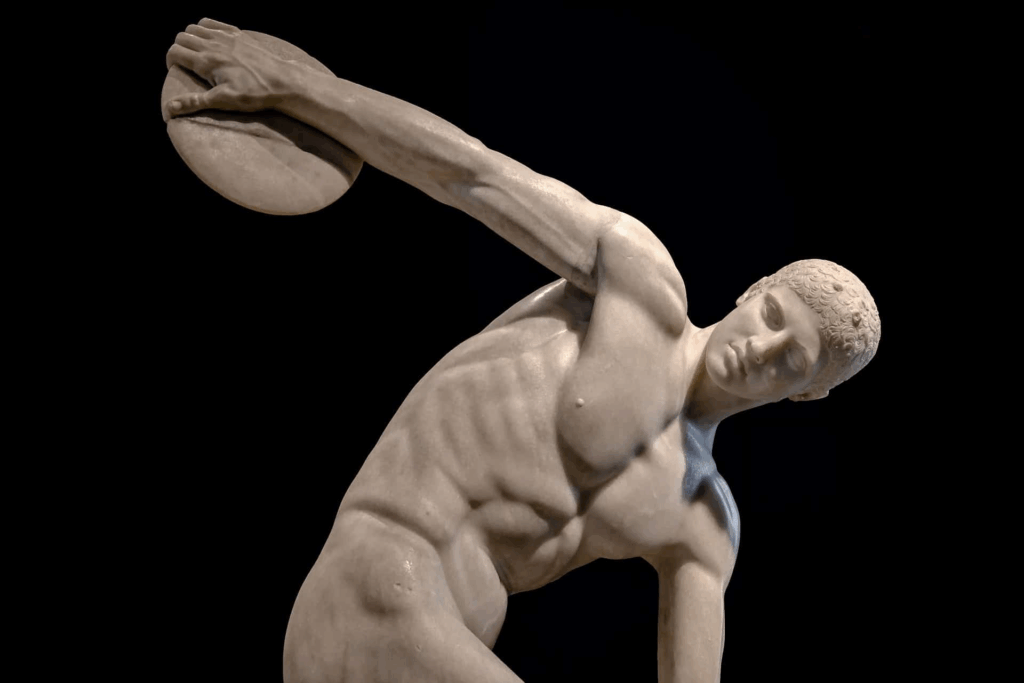
The Greek influence isn’t just seen in buildings it’s also present in visual arts. Greek sculptors were some of the first to focus on idealized human forms and paying close attention to proportion and movement as we talked about in class. That same attention to anatomy appears in modern sculptures, paintings, and even public monuments. Artists today still study Greek works like the Discobolus to understand how the body moves naturally. You can even see Greek inspired sculptures in parks, memorials, and art museums around the world. 

statue-3425372_1920.jpg (1920×1281)

What shocked me is how timeless their influence is. The Greeks set artistic and architectural standards that are still seen as symbols of perfection and democracy. Their ideas shaped not just the look of our buildings and art, but also how we express culture through design. Whether it’s a courthouse with marble columns or a statue capturing the human body ancient Greece is still everywhere today. 

Categories
Uncategorized

Pharaohs and Their Power in Art

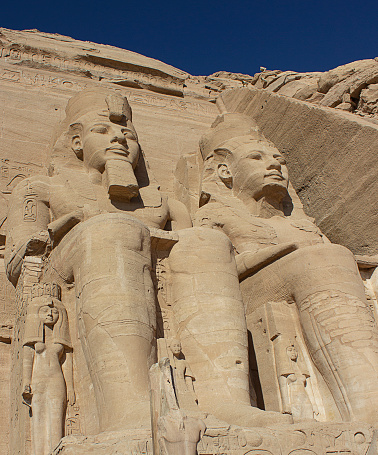
In ancient Egypt Pharaohs used art and architecture to show that they were powerful and chosen by the gods. The pyramids are one of the best examples because their massive size showed strength, wealth, and a connection to the divine. Statues of Pharaohs like the huge, seated figures of Ramses II, were made to look larger than life so people would see them as godlike leaders who ruled forever. These statues made it clear that Pharaohs were not just ordinary people but divine rulers.

seated-statues-of-ramses-ii-at-abu-simbel-egypt.jpg (378×455)

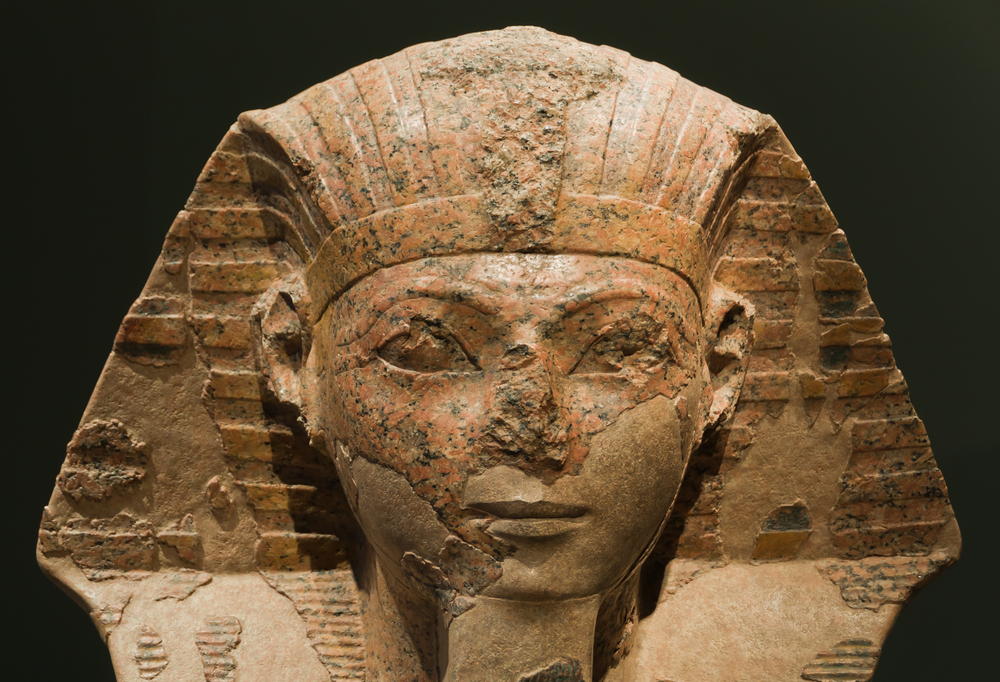
Some rulers also used art to strengthen their position in different ways. For example, Hatshepsut, the most famous female Pharaoh had herself shown in statues wearing the crown, beard, and clothing of a male king. This helped her gain respect and proved she could rule just as strong as a man. By using art to shape how people saw her, she showed that Pharaohs had control not only over the land but also over their image.

Su654FHX45QdmdDVYZ8LbU.jpg (1000×682)

Even today the power of ancient Egyptian art can still be seen in modern cultures. Musicians, fashion designers, and filmmakers often use Egyptian symbols like pyramids and headdresses to show strength and royalty. Just as Pharaohs used art to project authority in their time, people now continue to show these images as a way of showing power and influence. This proves how long lasting the power of Egypt has been in history.

Categories
Uncategorized

Art and the Criminal Justice System Post 1

When I first thought about art history, I didn’t really see how it connected to my major in Criminal Justice. But the more I look into it, and we talk about it the more I realize they have a lot in common. At the core of both subjects is people and why they do what they do, how they express themselves, and how societies create communities. Art history gives us another way of looking at human behavior, not through laws or statistics, but through creativity and expression. That’s valuable in criminal justice because understanding behavior from all angles helps us make sense of why rules, order, and systems of the Criminal Justice system exist in the first place.

3e2e0ba0c145a5d4729a725b4c38daf7.jpg (1000×750)

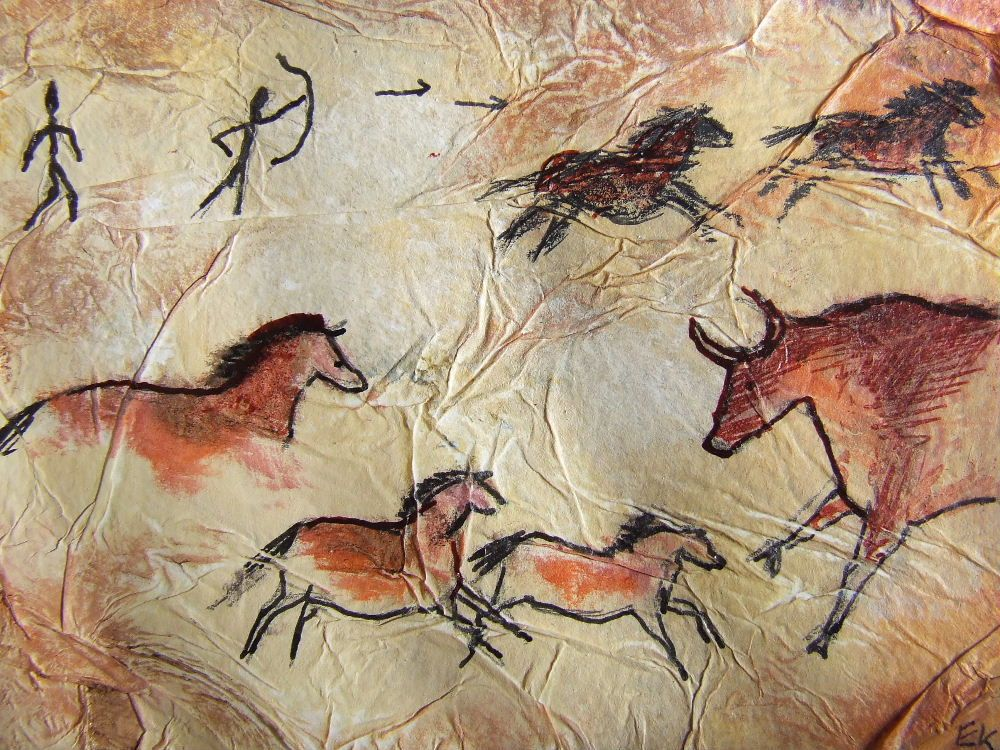
Prehistoric art makes this connection even clearer. Long before humans had courts, police, or written laws, they were using cave paintings and carvings to record events and communicate ideas. In a way these early forms of art were the first attempts at documenting human behavior. They show us that people have always needed to leave behind some kind of record, whether it was hunting scenes, spiritual beliefs, or warnings to others. To me, that ties directly to criminal justice because the field is also about documenting actions, understanding motives, and making sense of human choices within society even when they don’t make much sense.

On top of that art history builds skills that are useful in criminal justice. Looking at art trains you to slow down, observe carefully, and pay attention to details that others might miss. It also pushes you to think about the meaning, context, and perspective, which are all important when analyzing evidence or understanding criminal behavior. So even though art history and criminal justice might look like totally separate subjects, they actually overlap in ways that mean something that you don’t notice. Prehistoric art has showed me that justice, communication, and human expression have roots that go back to the very beginning of human history.